
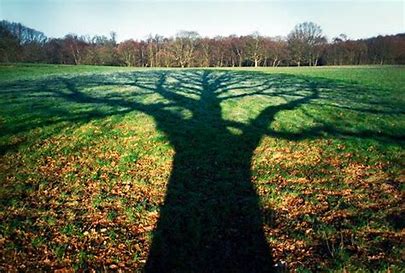
What We Fear, What We Hide, What We Avoid
We speak of darkness as if it lives outside us.
In rituals.
In stories.
In people we don’t understand.
But what if the shadow was never out there?
What if it has always been here—quietly shaping us?
Think about it.
That moment when someone walks into a room and you feel an instant dislike— no words exchanged, no reason given.
Or the opposite— an unexplainable comfort with a stranger. We call it instinct.
But we rarely question what shapes it.
We are taught early how to be acceptable.
To smile when upset.
To stay calm when angry.
To be “good.”
But no one teaches us
what to do with— resentment that lingers, jealousy that stings, fear that sits quietly in the chest.
So we push it down. And what we push down does not disappear.
It becomes shadow.
There are also things we have all felt— but rarely speak of openly. The heaviness after being around certain people.
The sudden unease without a clear reason. That lingering feeling that something… is off.
We don’t always call it shadow.
Sometimes, we call it नज़र.
Not always as a belief— but as an experience. A child who was fine all day, suddenly restless after a crowded gathering.
A moment of joy followed by an unexplainable dip.
A space that feels different without anything visibly changing.
In many Indian homes, this is acknowledged quietly.
A नजर उतारना.
A small ritual.
A pause.
Not always out of fear—but out of care.
But look closer— Is it really about “someone doing something to us”? I believe in it !!!
Or is it about how deeply we are affected by the people and energies around us? Ofcourse negative energy is real. Because not all impact is visible.
A harsh word stays.
A jealous glance lingers.
A tense environment settles into the body.
We absorb more than we realize. Not as something mystical— but as something human. And maybe that is where shadow expands—Not just within us, but between us. In the unspoken emotions. In the comparisons. In the quiet competition. In the things we feel but don’t acknowledge.
So we give it a name. We call it नज़र. We call it negative energy.
Because sometimes, naming something feels easier than understanding it. But the truth is—What we experience is not always about unseen forces.
Sometimes, it is about unseen feeling.
You see it in small moments. In the irritation that feels bigger than the situation. In the harsh judgment of someone who is simply doing what you never allowed yourself to do.
In parenting too— the frustration you didn’t expect, the guilt that follows immediately after, the thought you don’t say out loud:
“Why is this so hard?”
We don’t talk about these parts.
We hide them.
And maybe that is why the Aghori unsettle us. Because they do the opposite. They don’t hide. They don’t filter. They don’t separate what is acceptable from what is not. They sit with everything.
And that… is uncomfortable. Because it challenges the neat versions of ourselves, we have worked so hard to maintain. So we label it.
We call it strange.
We call it dangerous.
We call it occult.
Because it is easier to fear something outside than to face something within.
क्योंकि जिस चीज़ को समझने के लिए हम ठहरते नहीं,
उससे डरना आसान होता है।
जो हमारी समझ से परे है,
उसे समझ पाना बहुधा सबसे कठिन होता है।
But shadow does not disappear when ignored. It leaks.
Into reactions.
Into relationships.
Into the way we see the world.
Sometimes, what we call “dark” is simply what we have never allowed
ourselves to understand.
This blogpost is a part of Series of 3 and bloghchatter A2Z challenge 2026
Leave a Reply