
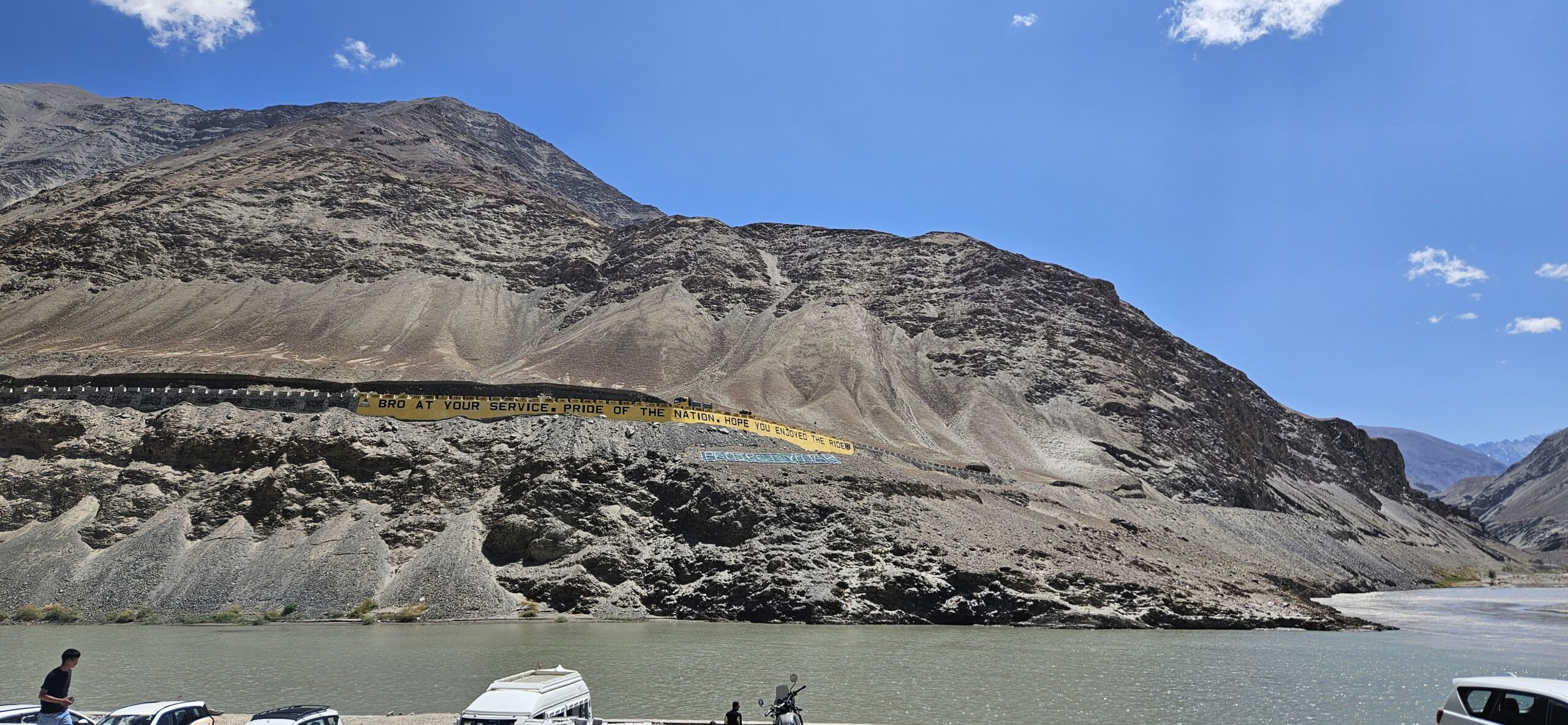
Ladakh is often introduced as a destination—
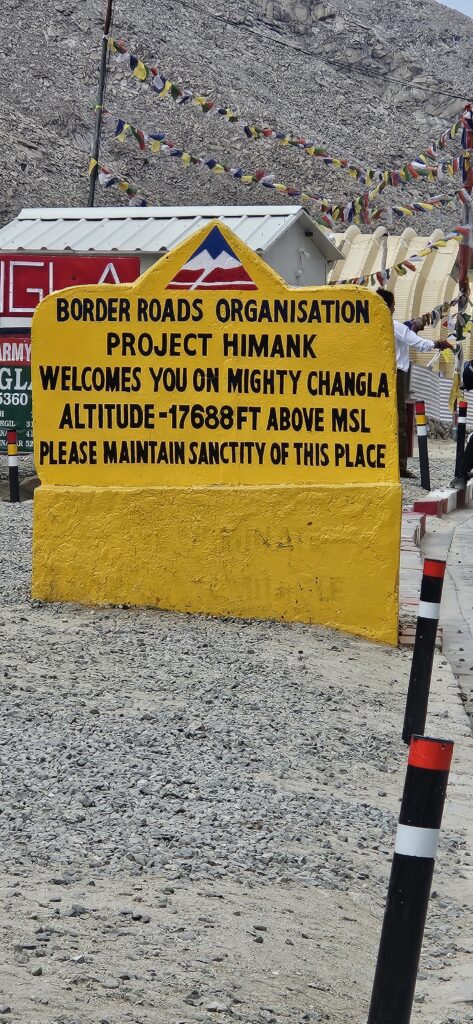
a place to tick off, photograph, and move on from. I had the same feelings when i decided to go. Plan was to go solo but decided to join a group…. The bikers and all!!!!!
That is precisely why it risks being misunderstood. To call it a tourist spot is to reduce it— to flatten a region of altitude, history, and fragility
Into a Backdrop.
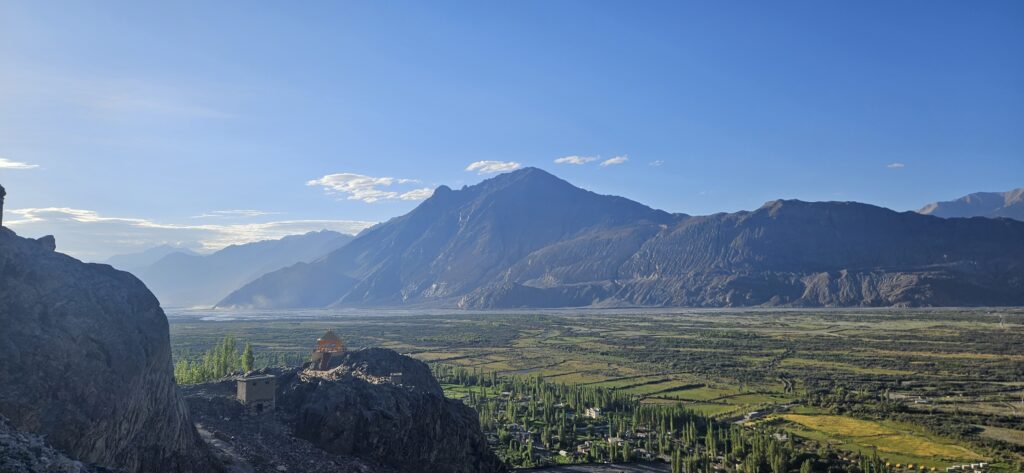
But Ladakh is not a tourist product. It is a high-altitude desert within India’s borders, where life has always been negotiated with scarcity— of water, of oxygen, of margin for error. And I saw and felt it first-hand. I had gone to show off my ability to sustain and enjoy high altitudes and difficult terrain as had been training for something like this. But what i saw shook the very foundation.
To reduce it to a backdrop is to overlook what sustains it. The land itself resists excess. Barren stretches that appear empty— but are, in fact, exacting. Nothing here is accidental. Every day was an eye opener in different ways.
Every green patch is deliberate.
Every settlement is adapted, not imposed. This is not a landscape that offers abundance. It offers precision. Adaptation and daily life isn’t as romantic.
And then, unexpectedly— apricots. Yes it was a beautifully wrapped surprise gift. Turtuk village which is situated at approx 9800 ft (3000 meters) above sea level in Nubhra vallley was the gift a surprise. Stark contrast from the landscape we have been travelling from. Lush green fields and trees laden with Apricots.
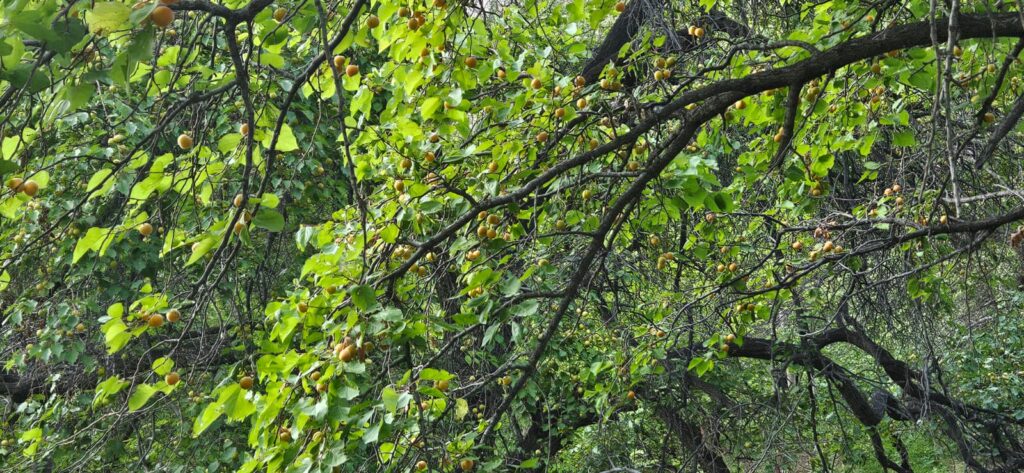
Grown in pockets like Turtuk where conditions allow, they are not a spectacle of plenty,but an example of balance. They exist because the land permits them— not because demand requires them. Yet they are plenty in season.
Ladakh’s place in India is not recent, nor is it only geographic. For centuries, it has been a cultural crossroads— linked through trade routes to Tibet, Central Asia, and the subcontinent. What remains is layered:
Buddhist monasteries, local traditions, architectural forms shaped by climate, and terrain, not trend. These are not preserved for visitors. Yes, they are beautiful but sadly the ‘touristic’ people have no respect or understanding towards these. It’s another tick in the itinerary.
They continue because they belong. Monasteries here are not attractions.
They are institutions— of learning, of continuity, of memory. They do not perform. They persist.
There is also a dimension often kept outside travel narratives— conflict. Past and present. Ladakh sits at one of India’s most sensitive frontiers. Places like Siachen Glacier and Galwan Valley are not distant abstractions.
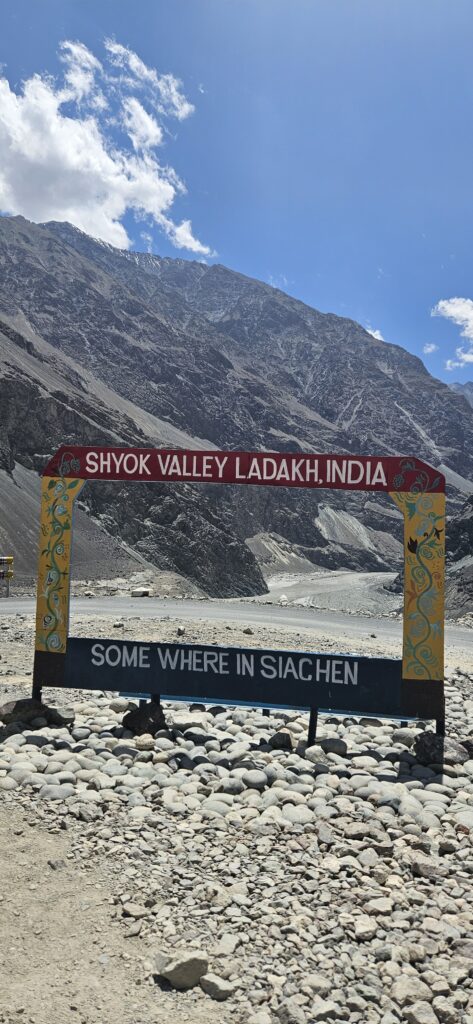
They are part of the same terrain that is marketed for its stillness. The presence of the Indian Army here is not symbolic. It is continuous, demanding, and necessary. The roads that bikers and tourists drive on are built by army and often one comes across an army convoy.
Tourism and tension coexist— not as contradiction, but as reality.
To see Ladakh only through tourism is to ignore responsibility. Infrastructure built for seasonal influx puts pressure on systems designed for minimal use. Building and maintaining infrastructure is tedious and arduous task.
Water is scarce. Waste management is limited. Rapid construction alters terrain that is slow to recover. In a way destroying the natural balance.
These are not minor concerns. They define sustainability in a region like this.
Ladakh, within India, is not just a place to visit. It is a place to approach with awareness.
The barrenness is not lacking— it is defining.
The culture is not curated—it is lived.
The borders are not distant—they are guarded.
Perhaps the question is not
“Why should we travel to Ladakh?”
but
“How do we engage with it—as part of India—without reducing it?”
Because some places are not meant to be consumed.
They are meant to be understood within their limits.
And Ladakh, more than most,
is a place of limits.
- (all pictures are clicked by me during my travel.)
This blogpost is part of Blogchatter A2Z Challenge
link theblogchatter.com


Leave a Reply